Five Creaks, Pops, and Drips: The Late-Night Physics of a Noisy House
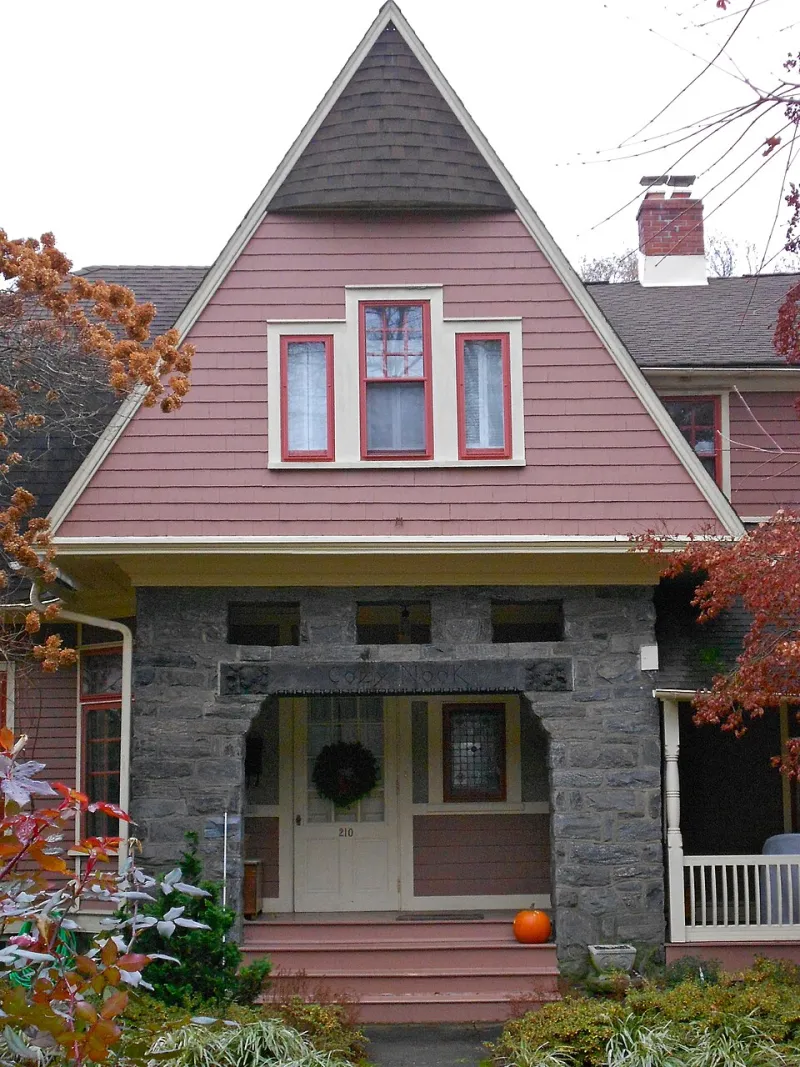
Photo: Smallbones, CC0, via Wikimedia Commons
It is 11:47 p.m. The house is quiet, which is exactly when it decides to speak. A floorboard creaks overhead. A pipe ticks behind the wall. The refrigerator pops. The attic cracks. None of this is supernatural. It is a physics lesson with poor timing.
Houses are not static boxes. They are systems of wood, metal, plastic, water, and air responding to temperature, pressure, and moisture. When the sun goes down, the house cools unevenly. Materials contract at different rates. Water keeps moving through pipes. Air pressure shifts. The result is a soundtrack that sounds eerie only because we are not used to hearing it.
Here are five common nighttime noises and what is actually going on.
1. The floorboard that sounds like a footstep
A sharp creak from the hallway can make your imagination run. In most cases, it is wood doing what wood does when it changes shape. Floorboards expand and contract with temperature and humidity. As the house cools at night, the boards and the joists beneath them shrink slightly at different rates. When a board shifts against a nail, a screw, or another board, it can move in tiny, sudden jumps. That is stick-slip motion. The wood catches, stores a little energy, then releases it in a quick slip that produces a creak.
Old houses are especially good at this because their materials have had years to settle, warp, and loosen. A creak does not necessarily mean the floor is unsafe. It often means the house is doing normal thermal and moisture-related movement. If the sound comes with sagging, soft spots, or visible gaps, that is a different story. But a random midnight pop is usually physics, not a prowler.
2. The pipe that ticks after hot water
You run the dishwasher or take a shower, and later the wall starts ticking. That sound is often thermal expansion. Metal pipes heat up when hot water passes through them, then cool down afterward. As they cool, they contract. If a pipe is snug against a joist, a bracket, or a hole in the framing, that small change in length can cause it to shift and tick.
Plastic pipes can do something similar, though the sound may be softer. Copper pipes are especially good at transmitting sharp clicks. Water hammer is another possibility. If a valve closes quickly, the moving water stops abruptly and sends a pressure wave through the pipe. That can produce a bang or thump. A ticking sound after hot water use is often just the pipe settling back into place as it cools.
3. The refrigerator's sudden pop
Refrigerators are not silent appliances, even when they are working correctly. They cycle through cooling and defrost phases. During defrost, the appliance warms a small section to melt frost from the evaporator. As parts heat and cool, plastic panels and metal components expand and contract. That can produce a pop or crack.
The refrigerant loop also changes pressure as the compressor turns on and off. You may hear a gurgle, a hum, or a click. None of these sounds automatically mean the fridge is dying. They are signs that a heat pump and a defrost timer are doing their jobs. A loud repeated banging or a persistent rattle is worth checking, but the occasional pop is ordinary appliance physics.
4. The attic's midnight crack
Attics take a lot of thermal punishment. During the day, they can get much hotter than the rest of the house. At night, they cool down. Wood framing, roof sheathing, and metal fasteners all respond differently. As the attic cools, lumber contracts and can slip slightly against nails or other pieces of wood. That release can sound like a sharp crack or a series of small pops.
The effect is stronger in homes with large temperature swings, older lumber, or roof systems that are tightly fastened. It is not a sign that the roof is about to collapse. It is a sign that materials are moving within normal tolerances. If you hear a crack followed by a new leak, visible sag, or a change in how a door closes, call a professional. Otherwise, the attic is probably just cooling off.
5. The duct that booms
A low boom from the ceiling or wall can be an HVAC duct flexing. Metal ducts expand and contract as warm or cool air moves through them. When the system turns on or off, the pressure inside the duct changes. Large flat sections of metal can act like a drumhead, flexing slightly and producing a boom or rattle.
Ductwork can also transmit noise from the air handler, the blower, or the compressor. Flexible ducts may flap. Loose panels may vibrate. The fix is often simple: check for loose screws, add damping material, or have the system balanced. The sound may be annoying, but it is usually a pressure and vibration problem, not a paranormal event.
Why the house sounds louder at night
There is one more piece of physics at work: background noise drops at night. During the day, traffic, televisions, conversations, and appliances mask small sounds. At night, those masks disappear. A creak that would be invisible at noon becomes a headline event at midnight. Your brain also tends to treat unexpected sounds as threats, especially in the dark. The sound has not necessarily gotten louder. Your attention has.
Turn the eeriness into a science lesson
Next time the house speaks after dark, try a little diagnosis. Was the sound near a hot-water pipe? Did the HVAC just cycle on? Did the temperature drop outside? Is the sound coming from an attic or a floorboard? You do not need to solve every mystery. But you can replace the ghost story with a physics question.
Houses are machines we live inside. They expand, contract, vibrate, and shift. Most of the noises they make are not warnings or hauntings. They are the ordinary sounds of materials responding to a changing environment. That is a lot less spooky, and a lot more interesting.